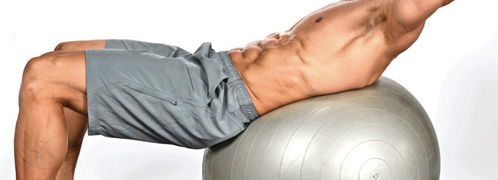
Strengthening your core muscles helps out with every day, ordinary activities as well as organized sports. The stronger your core, the better you’ll feel after exertion. If you experience stiffness or soreness, a good neuromuscular massage will have you feeling better in no time.
#MarktheSpotMassage
Tag Archives: neuromuscular massage
Massage is Good for Myasthenia Gravis
Because massage increases blood flow to the tissues, and help to repair injury and restore range of motion, it has been used successfully with many different movement disorders.
Myasthenia Gravis is caused by the body’s immune system attacking the receptors where the muscles and nerves connect. This makes it difficult for the muscles to contract and leads to fatigue and weakness. Neuromuscular massage can help increase blood flow to the muscles and is also helpful in stress reduction. Stress is a common complaint of MG patients due to their inability to plan for when their muscle weakness will happen or for how long.
#MarktheSpotMassage
Massage is Good for Huntington’s Disease
Because massage increases blood flow to the tissues, and help to repair injury and restore range of motion, it has been used successfully with many different movement disorders.
Huntingtons is a hereditary degenerative brain disorder that causes involuntary movements and slowly disminishes the person’s ability to walk and move effectively. While there is no cure for Huntington’s Disease, massage can help relieve muscle rigidity or loss of range of motion caused by the repetitiveness of the involuntary movements.
#MarktheSpotMassage
Massage is Good for Dystonia
Although not as common as Parkinsons, dystonia has some of the same symptoms including involuntary muscle contractions that can occur in any part of the body including an entire muscle group such as the quads, or in small muscle groups such as the eyelids, or vocal cords. Those patients experiencing dystonia in the core and extremity muscles can achieve great relief of their symptoms with good neuromuscular massage.
Because massage increases blood flow to the tissues, and help to repair injury and restore range of motion, it has been used successfully with many different movement disorders.
#MarktheSpotMassage
Massage is Good for Parkinson’s Disease
Because massage increases blood flow to the tissues, and help to repair injury and restore range of motion, it has been used successfully with many different movement disorders.
Parkinsons is a neurological movement disorder that is characterized by tremors, muscle rigidity, akinesia (the temporary inability to move), dyskinesia (the inability to conduct specific voluntary movements at will) and loss of postural reflexes. One of the results of Parkinsons disease are increasing stiffness and tremors leading to muscle exhaustion similar to what athletes experience when training at full effort. The available oxygen in the muscle is insufficient for the work load demanded of them. Because Parkinsons Disease doesn’t offer the muscles a period of rest after use, massage can help to restore the blood flow, and therefore the oxygen available to those muscles. Although studies are ongoing, massage is also thought to be helpful in increasing distribution of the L-dopa drugs often used to treat Parkinsons.
#MarktheSpotMassage
Lateral Epicondylitis also Known as Tennis Elbow
Just below your elbow, the muscles in the back of your forearm converge into the common extensor tendon.
That point, can be aggravated by sports such as tennis, but also by computer use or extended time gripping a pen.
A similar condition exists for golfers called medial epicondylitis.
Often, tennis or golf elbow goes undiagnosed or misdiagnosed as carpel tunnel syndrome until the pain is significant.
Fortunately, the quickest path to relief in most cases is a qualified massage therapist who knows how to find and treat the trigger point causing the pain.
#MarktheSpotMassage
Common Trigger Point #12 — Shoulder Pain
Shoulder pain, frozen shoulder, and a whole host of upper arm and even upper chest complaints may be caused by small trigger points around and underneath the shoulder blade.
Not only can texters suffer from texter’s thumb, they can also develop pain in the shoulders because of the position of the hands while texting on a small device. A neuromuscular massage therapist can ease this pain.
Common Trigger Point #11 — Upper Back Pain
Pain in the upper back can be caused by a bunch of little trigger points scattered from the base of the neck, down the spine and out along the shoulder blades.
Anyone who drives a vehicle with a big wheel such as a truck, or people who do data entry can suffer from upper back pain due to injury to the muscles of the neck and shoulder.
Neuromuscular massage can ease the pain of these repetitive injuries.
Common Trigger Point #10 — Pain in the Upper Chest
The pectoral muscles can produce a trigger point causing pain much like a heart attack in both intensity and quality.
If you are ever in doubt whether you are having a heart attack, you should call 911 and be evaluated for that condition in a hospital where tests can show definitively whether or not your heart muscle is involved.
After having been cleared of a heart attack by qualified personnel, a next step should include determining whether a trigger point within the pectorus muscle is causing the pain. A qualified neuromuscular massage therapist can help determine if this is the cause of your pain.
Common Trigger Point #9 — Jaw Pain
The muscles you use to chew and to clench your jaw or grind your teeth often have a trigger point within the major muscles, but also within some of the minor muscles along the jaw or in the side of the face.
Relieving these trigger points can also relieve TMJ, toothaches and tinnitus.