I often get the question, “Why go to a neuromuscular massage therapist?” The answer lies mainly in the type of massage you want, and the benefit it provides.
Let’s look at a couple of specific types of massages, and what they will do for you.
Swedish Massage
Swedish massage is perhaps the most common type of massage therapy and involves long, gliding strokes over the entire body. This type of massage increases the blood flow and provides a generally, relaxing experience.
Swedish massage reduces stress, lowers blood pressure, and boosts the immune system because it stimulates the number of white blood cells that fight infection.
Trigger Point Therapy
Trigger point therapy is designed to ease tightness within a constricted muscle that may refer pain to another part of the body.
Cycles of isolated, increasing pressure followed by release results in an easing of pain in vulnerable areas such as the head and neck.
Deep Tissue Massage
Deep tissue massage uses greater pressure on the muscles to focus on the tissue, tendons and fascia which will help relieve chronic muscle tension.
Deep tissue massage is beneficial in lowering blood pressure and by boosting mood and relaxation by triggering the release of oxytocin and serotonin.
Neuromuscular Massage
Neuromuscular massage is also a deep tissue technique that focuses on restoring strength and range of motion to an area of overuse or injury.
Neuromuscular massage is not always as comfortable or relaxing as a Swedish massage, but the after effects are.
Neuromuscular massage is a targeted therapy to treat conditions such as plantar fasciitis, persistent neck or back pain, and issues of overuse such as carpel tunnel syndrome, tennis elbow or shoulder and rotator cuff pain from golf or baseball.
My practice is neuromuscular massage although I can employ any of the above techniques. I use massage techniques to restore your muscles and the joints they control to a full range of motion without pain.
 Tennis uses most of your core muscles, and puts particular strain on your elbows and shoulders. A good stretch before and after you play will help keep you from injury. If you’re still stiff and sore, come in for a good neuromuscular massage. #MarktheSpotMassage
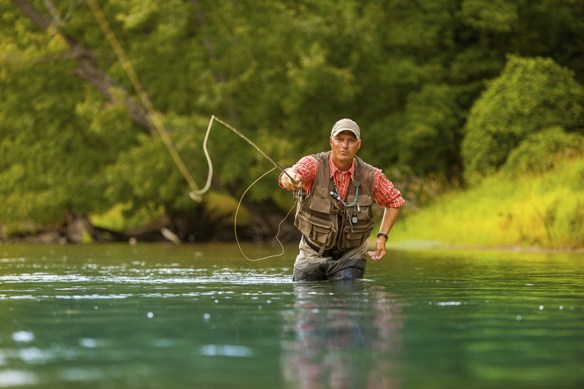 Fall is the perfect time for a little fly fishing. Give your elbows and shoulders a good stretch before you cast your line.
 Climbing is another activity that requires strong, flexible ankles. Give your ankles a good stretch before and after you begin a climb.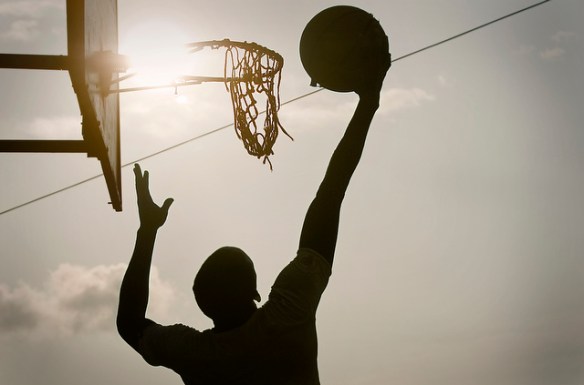
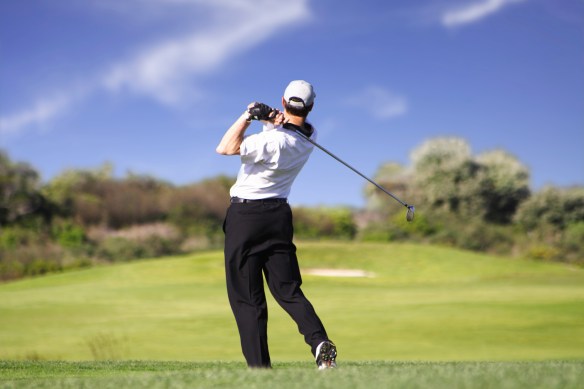 If you’re planning to hit the links this summer, keeping your back, shoulders and hips in good shape will mean fewer stiff mornings afterward. Stretching regularly will help. If you find yourself stiff and sore after those first few rounds of golf, come on in. A good neuromuscular massage will relieve pain and restore range of motion.
 Mark the Spot Massage Therapy